
Introduction
As the cryptocurrency landscape evolves, many enthusiasts and investors are curious about the profitability of Bitcoin mining. Specifically, the question arises: how many ASIC miners do you need to earn 1 Bitcoin in 2026? This article delves into the calculations, market trends, and factors influencing mining profitability.
Understanding ASIC Miners
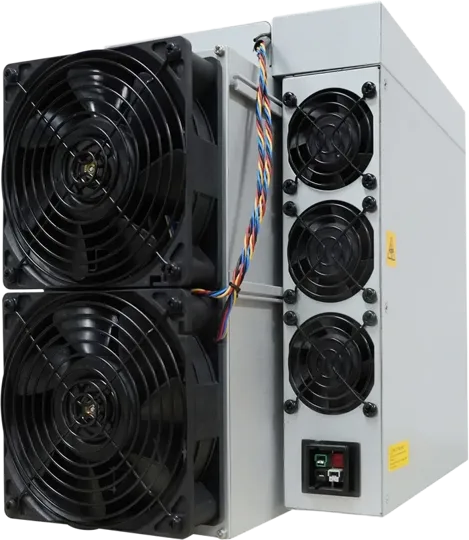
ASIC (Application-Specific Integrated Circuit) miners are specialized hardware designed for the sole purpose of mining cryptocurrencies, particularly Bitcoin. Unlike general-purpose hardware, ASIC miners are optimized for efficiency and speed, making them the preferred choice for serious miners. The efficiency of these machines is measured in hashes per second (H/s), which indicates how many calculations they can perform in a second.
For example, the Antminer S23, which boasts a hash rate of 318 TH/s, is one of the most powerful ASIC miners available today. This level of performance significantly enhances the chances of successfully mining Bitcoin, especially as the network difficulty increases over time.

Calculating Mining Requirements
To determine how many ASIC miners are needed to earn 1 Bitcoin in 2026, we must consider several factors:
- Bitcoin Block Reward: Currently, the reward for mining a block is 6.25 BTC, but this will halve to 3.125 BTC around 2026.
- Network Difficulty: As more miners join the network, the difficulty increases, making it harder to mine Bitcoin.
- Hash Rate of Miners: The combined hash rate of all miners contributes to the overall network hash rate.
Using these factors, we can create a formula to estimate the number of ASIC miners required. For instance, if the network difficulty increases and the block reward halves, miners will need to adjust their strategies accordingly.
Market Trends and Predictions
According to a recent article from OneMiners, the market for ASIC miners is expected to grow as more investors enter the space. This influx can lead to increased competition, which may further drive up the network difficulty. Additionally, external factors such as regulatory changes and technological advancements will also play a crucial role in shaping the mining landscape.
Furthermore, the adoption of Bitcoin as a mainstream asset continues to rise, as highlighted by Bitcoin Magazine. This growing acceptance can lead to higher demand for Bitcoin, influencing mining profitability.
Risks and Challenges
While mining can be lucrative, it is not without risks. The volatility of Bitcoin prices can affect profitability, as miners invest significant capital in hardware and electricity costs. Additionally, the environmental impact of mining has come under scrutiny, leading to potential regulatory challenges.
Moreover, the rapid pace of technological advancements means that miners must continually upgrade their equipment to remain competitive. This can lead to increased operational costs and potential losses if the market shifts unexpectedly.
Practical Takeaways
For those considering entering the Bitcoin mining space, here are some practical takeaways:
- Invest in efficient ASIC miners to maximize hash rate and minimize energy consumption.
- Stay informed about market trends and regulatory changes that may impact mining operations.
- Consider joining mining pools to increase the chances of earning Bitcoin, especially in a competitive environment.
Conclusion
In conclusion, the number of ASIC miners required to earn 1 Bitcoin in 2026 will depend on various factors, including network difficulty, block rewards, and market conditions. As the landscape continues to evolve, staying informed and adapting strategies will be crucial for success in Bitcoin mining. For more insights and updates on mining, visit OneMiners.